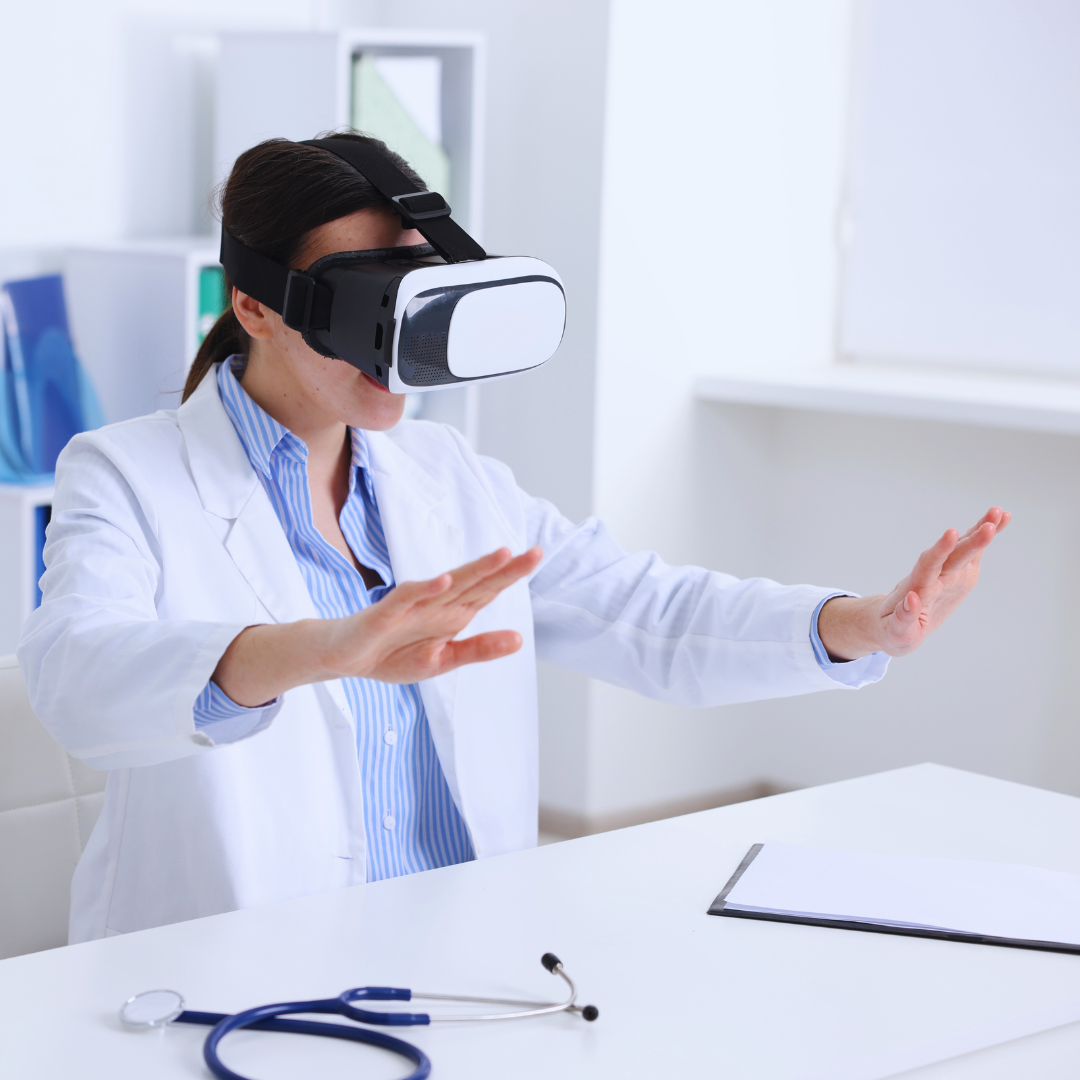
Virtual reality (VR) is evolving well beyond its gaming roots, showcasing its potential in various sectors. Many industries, including healthcare, education, and real estate, are harnessing VR technology to create immersive experiences that enhance learning, training, and engagement. With the rise of augmented reality (AR) in conjunction with VR, the applications are becoming even more diverse, proving that this technology can revolutionize how tasks are approached across numerous fields.
In healthcare, for instance, VR is being utilized for surgical simulations and patient therapy, allowing professionals to practice in a controlled environment while patients benefit from innovative treatment methodologies. In education, VR offers students the chance to explore historical events or complex scientific concepts through engaging, interactive lessons.
As the use of virtual reality expands, it becomes clear that these immersive technologies are not just a trend; they are reshaping the landscape of industries by providing tools that improve efficiency, creativity, and understanding in ways never before possible.
Healthcare and Medical Applications
Virtual reality (VR) is transforming healthcare by providing innovative solutions for medical training, mental health therapy, pain management, and rehabilitation. Its immersive technology enhances learning and patient care across various medical fields.
Advanced Surgical Training
VR technology offers advanced surgical training tools. Medical professionals can practice complex procedures in a safe environment without risking patient safety.
Using realistic VR simulations, surgeons can refine their skills in a controlled setting, experiencing various scenarios they may encounter in real operations. Procedures such as laparoscopic surgery are now part of training programs in several institutions.
Platforms like Osso VR allow trainees to engage in interactive experiences. These simulations include immediate feedback, which helps enhance their surgical techniques and decision-making abilities.
Mental Health and Exposure Therapy
In mental health, VR is changing the landscape of therapy. Exposure therapy using VR helps patients confront their fears in a controlled manner. This method is effective for treating conditions like PTSD and specific phobias.
For instance, a patient afraid of heights can engage in a virtual environment that gradually increases exposure to heights. This gradual approach allows individuals to build resilience and coping strategies without real-world repercussions.
Therapists can customize scenarios tailored to each patient’s experiences. This personalization enhances the therapeutic process and can lead to significant improvements in patients’ mental well-being.
Pain Management Techniques
VR is also being integrated into pain management strategies. Immersive experiences can distract patients from pain during procedures or recovery. For example, patients undergoing surgeries can wear VR headsets, transporting them to a calming virtual environment.
Studies show that such distractions can reduce the perception of pain and decrease the need for analgesics. By creating an engaging experience, patients focus less on discomfort.
These techniques are beneficial for various populations, including those with chronic pain conditions. VR applications are being developed to assist in long-term pain management strategies and improve quality of life.
Rehabilitation and Patient Education
VR is utilized for rehabilitation purposes, allowing patients to engage in physical therapy in an interactive way. This approach encourages patients to participate actively in their recovery process.
Programs can track progress and adapt exercises based on performance, making therapy more efficient and enjoyable. Patients can practice movements in realistic environments, which can simulate daily activities.
Additionally, VR serves as a potent educational tool for patients. It can help them understand their conditions better, envision treatment plans, and visualize recovery processes. This knowledge empowers patients to take an active role in their health management.
Education and Skills Training
Virtual reality is transforming education and skill development by providing immersive, interactive learning environments. This technology enhances engagement and effectiveness in both academic settings and corporate training.
Immersive Learning Experiences
Immersive learning experiences allow students to engage with educational content in realistic scenarios. For example, VR can simulate science experiments or historical events, enabling learners to explore complex concepts actively.
Students can manipulate 3D models or participate in virtual labs, promoting hands-on experience without the risks or costs associated with physical materials. This interactive approach helps students retain information more effectively, making learning both enjoyable and impactful.
Corporate Training Simulations
Corporate training simulations utilize VR to enhance workforce skills. Companies can create realistic scenarios tailored to specific roles, allowing employees to practice and refine their skills safely. For instance, a customer service representative can navigate different customer interactions in a simulated environment.
This method encourages error-friendly learning, where employees can make mistakes and learn from them without real-world repercussions. Organizations report increased retention of training material and improved job performance after implementing VR in their corporate training programs.
Virtual Classrooms and Collaboration
Virtual classrooms leverage VR technology to create interactive environments that facilitate remote collaboration. Students can join peers and instructors in a shared virtual space, regardless of their physical location. This setup mimics the experience of a traditional classroom, promoting engagement through discussions and group activities.
Collaborative tools within VR platforms allow for immediate feedback and teamwork, enabling students to work together on projects. This approach breaks the barriers of geographical distance, making education more accessible and flexible for a diverse range of learners.
Virtual Field Trips
Virtual field trips expand educational opportunities by transporting students to significant locations without leaving the classroom. Through VR, learners can experience museums, historical sites, or even far-off countries, enhancing their understanding of different cultures and environments.
These trips allow students to explore places that may be financially or logistically unfeasible in real life. They can gather information dynamically, interact with guides, and ask questions in real-time, enriching their learning experience while broadening their horizons.
Design, Manufacturing, and Real Estate
Virtual reality (VR) technology is making significant strides in design, manufacturing, and real estate. The integration of VR tools allows professionals to enhance collaboration, visualize concepts in immersive environments, and engage potential buyers more effectively.
Collaborative Design Reviews
In manufacturing and design, collaborative design reviews using VR allow teams to engage in real-time discussions. Participants can explore 3D models together, making it easier to identify issues during the design phase. This method reduces delays and improves overall product quality.
Key advantages include:
- Enhanced communication among team members.
- Immediate feedback on design elements.
- Reduced time spent on traditional review meetings.
With VR, stakeholders can visualize changes instantly, leading to better decision-making and a more streamlined design process.
Immersive Visualization and Prototyping
VR provides tools for immersive visualization that bring designs to life. This technology enables engineers and designers to interact with virtual prototypes. They can assess spatial relationships and functionalities without the need for costly physical models.
Benefits of immersive visualization:
- Increased accuracy in design assessments.
- Early detection of potential design flaws.
- Ability to iterate quickly based on feedback.
This technology helps teams innovate faster and produce designs that meet user needs more effectively.
Virtual Walkthroughs for Architecture
In architecture, virtual walkthroughs transform how clients experience design concepts. This capability allows clients to “walk” through buildings and spaces before construction begins. By experiencing spatial layouts firsthand, they can provide insightful feedback.
Key features of virtual walkthroughs:
- Realistic representation of materials and lighting.
- Enhanced client engagement through interactivity.
- Ability to showcase different design options easily.
These walkthroughs lead to more informed decisions and promote satisfaction with the final design.
Real Estate Virtual Tours
VR is revolutionizing real estate by offering virtual tours of properties. Potential buyers can explore homes remotely, saving both time and resources. This innovative approach enhances the homebuying experience, making it more convenient and accessible.
Advantages of real estate virtual tours include:
- 24/7 availability for prospective buyers.
- Reduced physical showings and associated costs.
- Ability to showcase properties globally without geographical limitations.
These tours provide an engaging way for buyers to discover properties, leading to quicker sales and more informed decisions.
Retail, Tourism, and Virtual Experiences
Virtual reality is transforming how consumers engage with retail and tourism. Through immersive experiences, businesses enable customers to explore products and destinations in innovative ways.
VR Showrooms and Shopping
VR showrooms allow customers to interact with products in a virtual space. Shoppers can browse items as if they are physically in a store. This technology enhances the shopping experience by providing a 360-degree view of products.
Retailers like IKEA have implemented VR for customers to visualize furniture in their homes. Consumers can see how different items fit together, making informed purchasing decisions easier.
Key benefits include:
- Reducing the need for physical store visits.
- Increasing customer engagement through interactive experiences.
- Providing immediate access to a broader range of products.
Virtual Travel Experiences and Tourism
Virtual travel experiences open new avenues for exploring the world from home. Tourists can visit famous landmarks and hidden gems without leaving their location.
Platforms like Oculus Travel allow users to experience destinations virtually. These include city tours, cultural experiences, and historical sites, all from the comfort of home.
Benefits for the tourism sector include:
- Expanding market reach to potential travelers.
- Encouraging actual visits through engaging previews.
- Providing accessible travel options for those unable to travel physically.
Virtual Tours and Destination Previews
Virtual tours offer an immersive way for consumers to preview destinations. Tourists can explore hotels, attractions, and local events before making decisions. This method helps them choose suitable accommodations and activities.
Many travel companies now incorporate VR into their marketing strategies. For example, potential travelers can step into a hotel room or visualize an adventure activity.
Notable advantages are:
- Enhanced decision-making for travelers.
- Creating excitement and anticipation for trips.
- Allowing for flexible exploration without time constraints.
This use of virtual reality in retail and tourism highlights its potential to redefine consumer experiences.