In today’s digital landscape, distinguishing between chatbots and virtual assistants is essential for businesses and users alike. Chatbots are designed primarily for specific tasks and interactions, while virtual assistants encompass a broader range of functions and personal assistance. Understanding these differences enhances customer experience and user experience, allowing companies to select the right technology to meet their needs.
Chatbots typically use artificial intelligence to engage in brief, focused conversations, usually on websites or messaging platforms. They serve to answer questions, provide information, and assist with tasks in a streamlined manner. Virtual assistants, on the other hand, utilize advanced AI capabilities to manage more complex interactions, often acting as personal aides that can handle schedules and reminders and even control smart devices.
Both chatbots and virtual assistants play pivotal roles in enhancing customer satisfaction, but they cater to different requirements. As businesses increasingly leverage AI technology, recognizing the strengths and limitations of each tool becomes crucial in optimizing user engagement and delivering superior service.
Foundations of Chatbots and Virtual Assistants
The landscape of conversational AI comprises chatbots and virtual assistants, each serving distinct roles within digital communication. Understanding their foundations provides insight into how they function and evolve.
Defining Chatbots and Virtual Assistants
Chatbots are automated programs designed to simulate conversations with users. They often operate on websites or messaging platforms, providing quick responses to inquiries. Typically, they handle repetitive tasks, enhancing customer service efficiency.
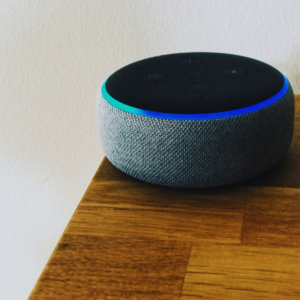
Conversely, virtual assistants, such as Siri or Alexa, possess more advanced features. They leverage artificial intelligence to perform a broader range of tasks, from setting reminders to controlling smart home devices. This difference in functionality highlights the varying complexities between chatbots and virtual assistants.
Evolution of Conversational AI
The evolution of conversational AI spans several decades. Early chatbots emerged in the 1960s with programs like ELIZA, designed for basic conversation. As technology advanced, so did the capabilities of these systems.
In recent years, developments in machine learning and natural language processing (NLP) have propelled this advancement. Modern chatbots utilize various techniques to understand context, allowing for more meaningful interactions. Meanwhile, virtual assistants have incorporated voice recognition, further enhancing user engagement through natural communication.
Machine Learning and NLP in AI Assistants
Machine learning and NLP are foundational to the functioning of both chatbots and virtual assistants. NLP enables these systems to process and interpret human language, bridging communication gaps. This technology allows for nuanced understanding, making interactions smoother.
Machine learning algorithms improve chatbot and virtual assistant performance over time. They analyze user data, refine responses, and enhance user experience. As a result, AI assistants have become increasingly adaptable, accurately meeting user needs in different contexts, whether in customer service or personal tasks.
Comparing Functionality and Application
This section examines the distinct functionality of chatbots and virtual assistants, highlighting their specific applications across different sectors. Each has unique strengths shaped by how users interact with the technology.
Interaction Differences: Text vs. Voice
Chatbots primarily engage users through text-based interactions. They excel in providing quick responses to customer inquiries on platforms like websites and messaging apps. This makes them suitable for customer support tasks, where users often prefer typing their questions.
In contrast, virtual assistants utilize voice commands for interaction. Devices such as smart speakers and smartphones allow users to perform tasks verbally. This hands-free approach fosters user engagement, making it convenient for tasks like setting reminders or controlling smart devices.
Task-Specific Roles vs. Digital Companions
AI chatbots focus on task-oriented roles. They are designed to handle specific functions, such as answering FAQs or guiding users through checkout processes in eCommerce. Their programming allows for efficient, automated responses that enhance the user experience.
Virtual assistants act as digital companions. They manage a variety of tasks, from scheduling appointments to controlling smart home devices. Their advanced AI capabilities provide a personalized experience, adapting to individual user preferences over time.
Sector-Specific Uses: E-commerce, Banking, Healthcare
In eCommerce, chatbots enhance customer support by quickly answering product questions and streamlining purchase processes. They help businesses manage customer inquiries effectively, improving sales conversions.
In banking, chatbots assist with account information and transaction inquiries, providing immediate support 24/7. Virtual assistants in this sector can perform voice commands to carry out tasks such as checking balances or making payments.
In healthcare, chatbots offer information on symptoms and appointment scheduling, thereby improving patient engagement. Virtual assistants can help patients manage medications or set reminders, enabling a more proactive approach to health management.
Technological Advancements and Limitations
Recent developments in AI have significantly impacted chatbots and virtual assistants. The advancements in natural language processing (NLP) and emotional intelligence are reshaping their capabilities, but challenges in adaptability and complex task management remain.
Understanding Advanced AI Technologies
Advanced AI technologies have transformed how chatbots and virtual assistants interact with users. Natural language processing allows them to understand and interpret human language more effectively. This technology enables seamless customer engagement and enhances user satisfaction.
AI systems can analyze vast amounts of data, offering advanced personalization based on user behavior and preferences. However, many traditional chatbots rely on rule-based systems, which limits their ability to respond effectively to complex queries.
Adaptability to Complex Queries and Tasks
Adaptability is critical for handling complex queries and tasks. Virtual assistants equipped with AI technology can adjust their responses based on the context and emotional tone of the user. This adaptability provides a more personalized experience.
Conversely, rule-based chatbots often fall short in these environments. They use decision trees and predetermined responses, which can lead to frustration when faced with unexpected questions. In contrast, AI-driven systems can analyze the intent behind a query, making them more effective at problem-solving.
Overcoming Limitations and Challenges
Addressing the limitations of chatbots and virtual assistants involves overcoming several challenges. One major issue is the balance between automation and human-like interaction. Emotional intelligence in AI is pivotal for engaging users effectively.
Furthermore, continuous improvements in NLP enhance understanding and make it easier for virtual assistants to handle intricate tasks. Ongoing advancements in machine learning will also help AI systems better manage and analyze data, improving personalization.
Efforts to refine these technologies aim to elevate user experiences, transitioning from basic functionalities to more advanced capabilities.
Impact on Business and Consumer Experience
The use of chatbots and virtual assistants has significantly transformed both business operations and consumer interactions. Their integration leads to enhanced customer satisfaction, improved operational efficiency, and personalized experiences that cater to user preferences.
Effect on Customer Satisfaction and Service Quality
Chatbots and virtual assistants contribute to higher customer satisfaction by providing instant responses and 24/7 availability. Customers often appreciate the quick resolution of queries, which improves their overall experience.
Automated systems can handle simple inquiries efficiently, freeing human agents to tackle more complex issues. This leads to better service quality as agents focus on high-value interactions that require emotional intelligence and nuanced understanding.
Personalized recommendations made by these AI-driven tools enhance customer satisfaction by delivering tailored solutions. The ability to understand user preferences allows businesses to meet customer expectations effectively.
Influence on Operational Efficiency and Productivity
Implementing chatbots allows businesses to streamline operations and improve operational efficiency. These tools can manage multiple inquiries simultaneously, vastly increasing the volume of customer interactions handled at any given time.
This automation reduces the workload on human employees, leading to increased productivity. With routine tasks delegated to chatbots, staff can concentrate on strategic initiatives, thereby enhancing innovation and service offerings.
Additionally, the scalability of chatbots ensures that as businesses grow, customer interactions can be managed without compromising quality or efficiency, adapting to increased demands seamlessly.
Building Personalized and Engaging User Experiences
Personalization is crucial for enhancing user experience. Chatbots utilize data analytics to offer tailored interactions based on individual customer behavior and preferences.
Through task-oriented interactions, users receive relevant information and recommendations, which fosters engagement and loyalty. By analyzing previous interactions, AI assistants can predict needs and suggest actions, creating a proactive service model.
This level of personalization not only boosts customer satisfaction but also aids in lead generation. Engaged customers are more likely to convert, highlighting the importance of personalized user experiences in driving business success.