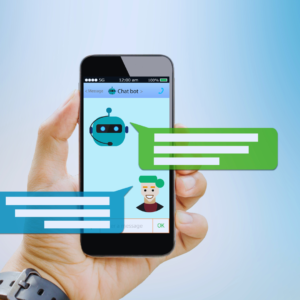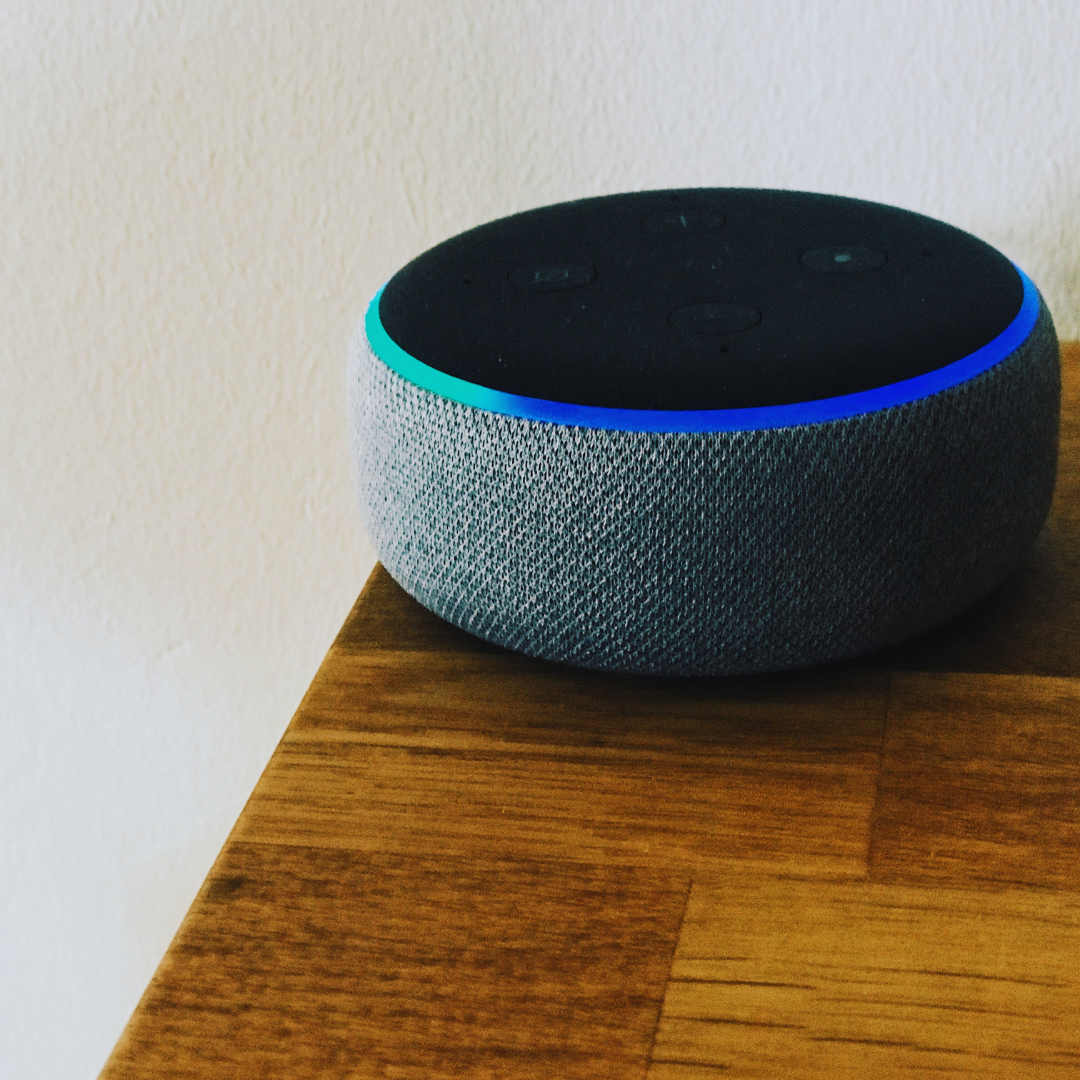
In the digital age, the evolution of virtual assistants is remarkably notable. With advancements in artificial intelligence and natural language processing, these tools are now designed to understand user intent with greater precision and respond in more human-like ways. The integration of innovation in AI technology has made virtual assistants increasingly intuitive, enabling them to manage tasks and provide information with minimal user input.
As people seek more streamlined experiences, virtual assistants adapt to individual preferences and behaviors, making interactions smoother and more efficient. They can now learn from previous interactions to offer personalized recommendations and solutions. This shift not only enhances user satisfaction but also exemplifies how technology is increasingly bridging the gap between human needs and machine capabilities.
The growing intelligence of virtual assistants signifies a broader trend in AI development that aims to create more user-friendly interfaces. As these systems become more intuitive, they redefine how individuals engage with technology, driving a transformation in everyday communication and task management.
Advancements in AI and NLP
Recent developments in artificial intelligence and natural language processing significantly enhance virtual assistants’ intuitiveness. These advancements enable better user interaction and more efficient task management.
Enhancing Intuitiveness through Machine Learning
Machine learning improves virtual assistants by allowing them to learn from user interactions. The algorithms analyze user preferences and behavior patterns, adapting responses accordingly.
This personalization creates a more engaging experience, making these systems feel more human-like. With advanced techniques like deep learning, AI can identify contexts, allowing for more meaningful conversations.
Moreover, through continuous learning, they become better at predicting user needs. This enhances not only efficiency but also satisfaction, fostering a more seamless user experience.
Natural Language Processing Capabilities
Natural language processing (NLP) is a cornerstone of intuitive virtual assistants. It enables systems to understand, interpret, and respond to human language effectively.
NLP allows for sophisticated conversational AI, which interprets nuances, tone, and intent behind queries. This capability is crucial for chatbots, which respond to users naturally, fostering improved communication.
Advanced NLP models can parse complex sentences, grasp context, and handle ambiguity. As a result, users receive relevant answers, even for vague or incomplete inquiries.
Continuous improvements in NLP ensure that virtual assistants are equipped to handle diverse languages and dialects, further enhancing their usability.
Personalization and User Experience
Virtual assistants are increasingly focused on enhancing personalization and user experience. By adapting to individual preferences and contextual situations, they create a more engaging interaction that meets users’ specific needs.
Tailoring to User Preferences
Virtual assistants can analyze data to understand user preferences better. They gather information from past interactions, enabling them to personalize responses and suggestions. Features such as:
- Custom command settings allow users to set preferences for how the assistant speaks or reacts.
- Personalized content delivery presents information based on user interests and past behavior.
This tailored approach elevates user satisfaction, as the assistant becomes more relevant and effective in meeting individual needs.
Emotional Intelligence in Virtual Assistants
Emotional intelligence is emerging as a crucial element in the design of virtual assistants. They are being programmed to recognize and respond to emotional cues in users’ voices or text inputs. This includes:
- Adjusting tone and style of communication based on detected emotions.
- Empathetic responses that acknowledge user feelings, enhancing the interaction.
Such capabilities improve user experiences, making the interaction feel more human-like and supportive, fostering trust and loyalty among users.
Predictive Capabilities and Personalized Recommendations
Virtual assistants leverage AI to offer predictive capabilities that anticipate user needs. This is accomplished through:
- Context awareness, allowing assistants to consider the time of day or location when providing suggestions.
- Personalized recommendations that suggest actions, products, or information proactively based on previous interactions.
These features not only streamline user engagement but also create a dynamic experience that feels intuitive, further encouraging regular use of smart devices and enhancing customer experiences.
Integration and Accessibility
The evolution of virtual assistants is heavily influenced by their ability to integrate seamlessly with various devices and enhance accessibility for users. This development plays a crucial role in providing convenience and improving the user experience.
Seamless Integration with IoT and Smart Homes
Virtual assistants now work effectively with IoT devices, creating a connected ecosystem within smart homes. This integration allows users to control multiple devices through a single platform, enhancing convenience.
Key benefits include:
- Centralized Control: Homeowners can manage lights, thermostats, and security systems from one interface.
- Enhanced Voice Recognition: Improved technology enables precise command recognition, making interactions smoother and more intuitive.
- Automated Routines: Users can set triggers for various tasks, such as turning off lights when leaving home or adjusting heating according to schedules.
This streamlined approach to home automation makes everyday tasks more efficient, maximizing comfort and energy usage.
Advancing Accessibility through Automation
Virtual assistants are pivotal in making technology accessible for individuals with disabilities. Through automation, these tools reduce barriers in everyday tasks.
Notable advancements include:
- Voice Commands: Users can control devices hands-free, providing independence for those with mobility challenges.
- Customizable Settings: Assistants allow adjustments in speech speed and volume, catering to different user needs.
- Integration with Assistive Devices: Compatibility with tools such as screen readers and alternate input devices enhances usability across various demographics.
By prioritizing accessibility, virtual assistants ensure that technology becomes more inclusive, benefiting a wider audience.
Security and Privacy Considerations
As virtual assistants become more intuitive, addressing security and privacy considerations is vital. These aspects directly impact user trust and the effectiveness of technology.
Data Privacy and Security Measures
Data privacy is a primary concern for users of virtual assistants. Companies are implementing robust security measures to safeguard personal information.
- Encryption: Data is often encrypted both during transmission and storage. This prevents unauthorized access.
- Access Controls: Strict access controls are enforced within systems to limit who can view or manipulate sensitive data.
- Regular Audits: Frequent security audits help identify vulnerabilities and ensure compliance with data protection regulations.
By investing in these measures, companies demonstrate their commitment to protecting user data and enhancing security, thereby fostering trust.
User Trust and Privacy Concerns
User trust is intricately linked to privacy concerns. Many users fear that their data may be misused or inadequately protected. Addressing these fears is imperative for virtual assistant adoption.
- Transparency: Clear privacy policies and practices are essential. Users should easily find information on how their data is used.
- User Controls: Providing users with control over their data, such as data sharing preferences, enhances trust.
- Feedback Mechanisms: Implementing avenues for user feedback allows companies to address concerns swiftly and improve security measures.
By prioritizing these elements, organizations can reassure users and build stronger relationships based on trust and security.