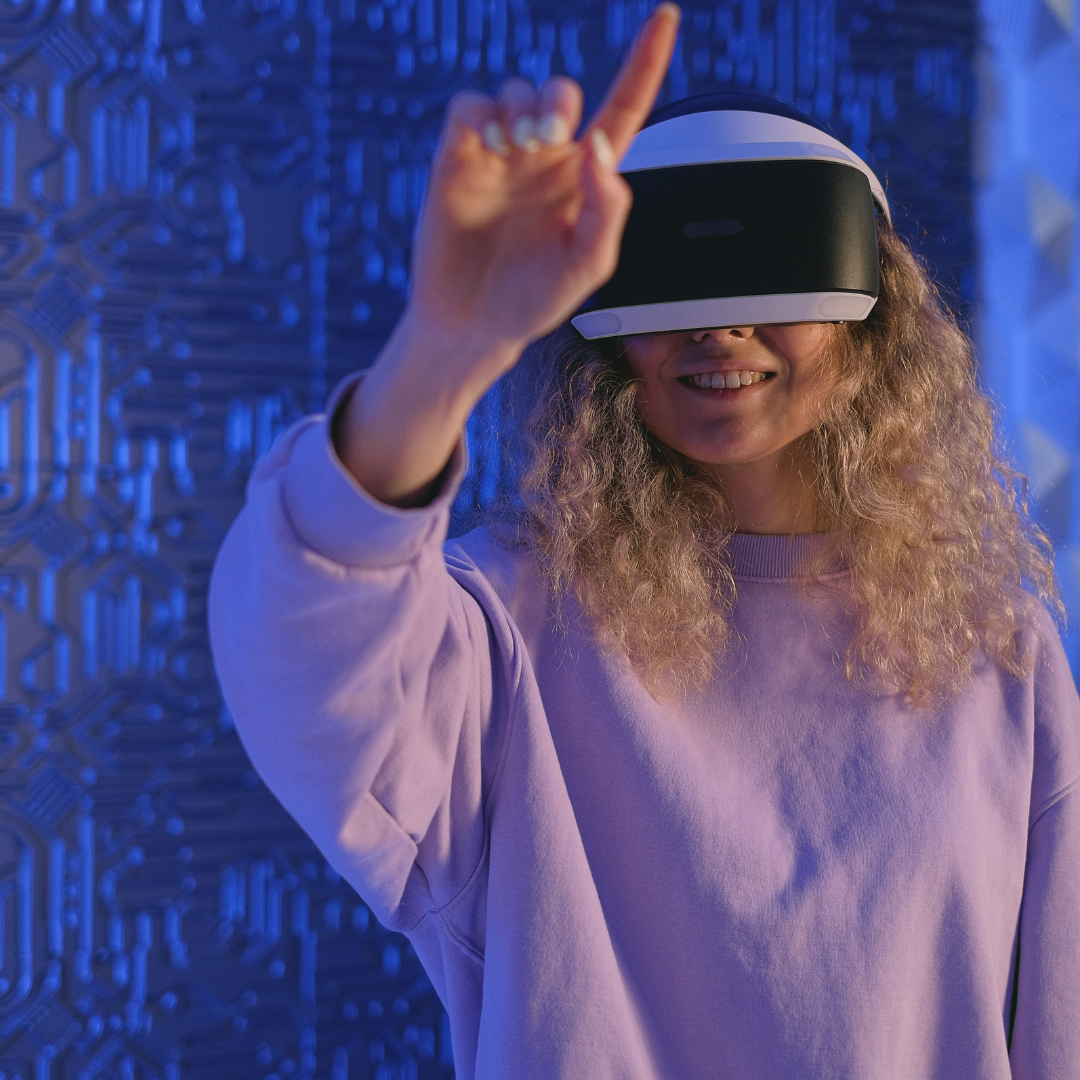
The integration of augmented reality (AR) in education is transforming traditional learning experiences. AR enhances engagement and comprehension by providing immersive, interactive environments where students can visualize complex concepts in real-time. This technology bridges the gap between theoretical knowledge and practical application, making learning more relatable and impactful.
As educators explore the potential of AR, they discover new methods for teaching various subjects, from science to history. Students can interact with 3D models, conduct virtual experiments, and participate in simulations that enhance their understanding. The adaptability of AR caters to different learning styles, ensuring that each student can benefit from a tailored educational approach.
Educators embracing AR technologies are witnessing significant improvements in student motivation and retention of information. By creating a dynamic learning atmosphere, AR not only helps students grasp difficult subjects but also fosters creativity and critical thinking skills.
Augmented Reality in Education
Augmented reality (AR) is revolutionizing how education is delivered and experienced. It enhances learning environments by creating interactive and immersive experiences that engage students more fully than traditional methods. This section explores the evolution of AR in education, its applications, and how it compares to traditional teaching methods and virtual reality.
Evolution and Current State of AR in Learning
The journey of augmented reality in education started in the late 20th century. Early applications were limited and primarily experimental. As technology advanced, AR became more accessible through smartphones and tablets.
Today, educational institutions increasingly adopt AR tools to create interactive lessons. Examples include using AR apps to visualize historical events or explore complex scientific concepts. This integration is reshaping classrooms, enabling students to interact with their subjects in innovative ways.
AR Technology and Educational Applications
AR technology leverages devices such as smartphones, tablets, and AR glasses to overlay digital information onto the physical world. This interaction can take many forms, including 3D models, animations, and contextual data.
Common educational applications include:
- Interactive textbooks: Students can scan pages for dynamic content.
- Science simulations: Visualizing anatomy or chemical reactions.
- Language learning: Instant translations and vocabulary games.
Such applications enhance understanding and retention, catering to diverse learning styles and improving learner engagement.
Comparing AR with Traditional and VR Teaching Methods
When comparing AR to traditional teaching methods, AR provides a more hands-on and interactive approach. Traditional methods often rely on lectures and textbooks, which may not engage all students effectively.
In contrast, virtual reality immerses students in entirely simulated environments, while AR enhances the real world. This distinction allows AR to be more flexible, integrating seamlessly into existing curricula.
Benefits of AR include:
- Enhancing student participation.
- Providing immediate feedback.
- Allowing for personalized learning experiences.
These advantages position AR as a valuable educational tool in contemporary settings.
Enhancing Learning Experiences with AR
Augmented Reality (AR) significantly enriches learning experiences by fostering engagement, interactivity, and personalization. These elements combine to create an environment that transforms traditional educational methods into immersive and effective learning opportunities.
Facilitating Interactive and Immersive Learning
AR technology transforms static content into interactive experiences. It allows students to engage directly with learning materials, such as 3D models of historical artifacts or scientific phenomena.
For example, a biology lesson can turn a textbook diagram into a 3D representation of a cell, enabling students to interact with various organelles.
This interactive approach promotes active learning, where students learn by doing rather than passively receiving information. AR encourages curiosity and offers a hands-on experience that can significantly enhance comprehension and retention.
Creative and Engaging Learning Environments
Incorporating AR into classrooms cultivates creative and engaging learning environments. Traditional methods can often limit student motivation, yet AR applications inspire creativity by allowing students to visualize concepts in innovative ways.
For instance, an art history lesson can come alive through AR by letting students see famous paintings in their original contexts.
These engaging learning experiences can break down barriers to participation and foster collaboration among peers. AR encourages students to explore, experiment, and express their ideas, creating a dynamic atmosphere conducive to learning.
AR for Personalized and Student-Centered Education
AR supports personalized learning by catering to diverse learning styles and paces. It allows educators to tailor experiences to meet individual needs, ensuring that every student can engage with the material effectively.
For instance, students struggling with a concept can access additional resources or alternate viewpoints through AR applications, enhancing their understanding.
Such personalized approaches foster a sense of ownership over the learning process. Students become active participants in their education, leading to improved motivation and academic achievement. This student-centered focus aligns with modern educational principles that value inclusivity and individual growth.
Impacts on Educational Outcomes
Augmented reality (AR) has distinct implications for educational outcomes, particularly in enhancing student engagement, knowledge retention, and the development of critical skills. The integration of AR into the curriculum prompts a closer examination of these impacts.
Improving Retention and Motivation
AR significantly enhances knowledge retention by providing immersive and interactive experiences. When students engage with content through AR, it creates memorable experiences that improve the likelihood of recalling information.
A study found that students using AR tools had a retention rate that was 60% higher compared to traditional methods. AR’s ability to visualize complex concepts reduces cognitive load, allowing learners to process information more effectively.
Additionally, the interactive nature of AR stimulates interest, making learning more enjoyable. This heightened motivation leads to increased participation, encouraging students to engage more deeply with the material.
Developing Cognitive and Critical Thinking Skills
AR fosters the development of cognitive skills, facilitating problem-solving and critical thinking. By allowing learners to manipulate 3D objects and scenarios, AR encourages analytical thinking and a hands-on approach to learning.
Students can explore simulations and real-world applications that promote inquiry-based learning. This method enhances creativity as learners experiment with different solutions in a virtual environment.
Incorporating AR into lessons also supports differentiated instruction, accommodating diverse learning preferences. This adaptability helps all students grasp essential concepts, contributing to stronger critical thinking abilities.
Assessing Systematic Reviews and Educational Research
Systematic reviews of educational research highlight the effectiveness of AR in academic settings. Recent analyses show that AR tools positively impact learning outcomes across various disciplines, from science to history.
For instance, a meta-analysis indicated that AR applications can lead to significant improvements in test scores and class engagement. These findings are supported by data analysis, demonstrating that AR not only aids in knowledge retention but also enhances students’ overall learning experiences.
Despite its advantages, limitations of AR, such as accessibility and resource constraints, must be addressed. Ongoing research will be crucial to optimize AR’s potential in education while mitigating these challenges.
Future Directions and Challenges
The integration of augmented reality (AR) in education presents several promising advancements and obstacles. Key areas of focus include the adoption in higher education, ensuring accessibility for diverse learners, and understanding the pedagogical implications.
Adopting AR in Higher Education and Training
The transition to AR in higher education requires effective teacher training programs. Educators must develop skills to implement AR technology effectively in classrooms. Real-time applications provide avenues for immersive learning experiences, enhancing student engagement.
Collaborative learning opportunities can be built using AR tools, such as virtual field trips, enabling students to explore environments that would be otherwise inaccessible. Engaging with AR can significantly increase motivation and skill acquisition, particularly in STEM and language learning contexts.
Accessibility and the Role of Open Access Resources
Accessibility remains a crucial challenge as AR becomes more ubiquitous in learning environments. Institutions must ensure that AR applications are designed for all students, including those with disabilities. Strategies include utilizing open-access resources under Creative Commons licenses.
Open access initiatives can reduce barriers to content development, allowing educators to share AR materials broadly. Partnerships with organizations like Elsevier Ltd can enhance the availability of accessible digital learning tools tailored to various educational contexts.
Pedagogical Implications and Curriculum Integration
To effectively integrate AR into the curriculum, educators must understand its pedagogical implications. Instructional methods can shift as AR fosters metacognition and active learning through interactive textbooks and simulations.
AR’s potential for personalized learning experiences encourages educators to rethink traditional approaches. Designing a curriculum that includes AR tools aligns with contemporary educational goals, making learning more relevant and interactive. The focus should be on creating engaging content that supports diverse learning styles.