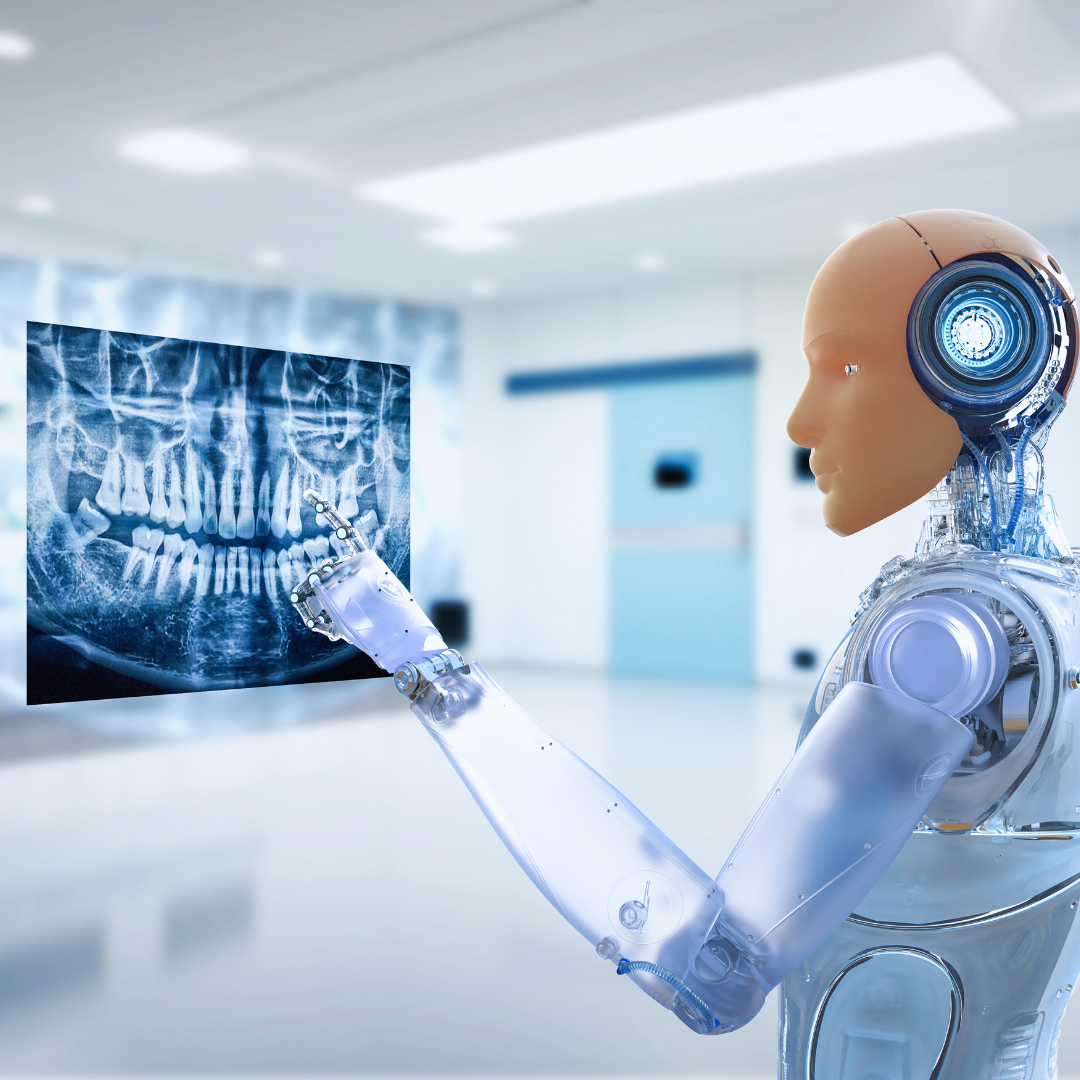
Artificial intelligence is transforming various sectors, but its impact on healthcare diagnostics is particularly noteworthy. By enhancing the accuracy and speed of diagnoses, AI offers healthcare professionals powerful tools to improve patient outcomes. This technology allows for the analysis of vast datasets, enabling precise identification of diseases that might be missed by traditional methods.
With the integration of AI systems, healthcare providers can leverage predictive analytics and machine learning to assess patient information more effectively. These advancements not only streamline the diagnostic process but also provide tailored treatment options, ensuring a more personalized approach to healthcare. As AI continues to evolve, its role in diagnostics promises to address some of the most pressing challenges in modern medicine.
The ongoing collaboration between AI developers and healthcare experts illustrates a significant shift towards more intelligent healthcare systems. This synergy is aimed at not just improving efficiency, but also advancing the accuracy of diagnoses, ultimately leading to better care for patients. The future of healthcare diagnostics is increasingly intertwined with AI technology, making it an essential topic for anyone invested in the field.
AI Technologies in Medical Diagnostics
AI technologies are transforming medical diagnostics by enhancing imaging techniques, boosting predictive analytics, and improving the accuracy of diagnostic algorithms. These innovations are crucial in streamlining processes, aiding healthcare professionals, and ultimately leading to better patient outcomes.
Advancements in Diagnostic Imaging
Recent advancements in diagnostic imaging leverage AI to enhance image interpretation. Machine learning algorithms analyze vast datasets of medical images, including CT scans, MRIs, and X-rays, allowing for quicker and more accurate readings.
For instance, AI-driven tools can identify patterns in mammography images that may indicate early signs of breast cancer, reducing the rate of false positives and negatives.
This technology not only accelerates the review process but also assists radiologists by highlighting areas of concern, thus improving workflow efficiency.
Enhancing Predictive Analytics
Predictive analytics in healthcare diagnostics has gained momentum with AI integration. By utilizing algorithms, healthcare providers can anticipate potential health issues based on patient data and historical trends.
These AI tools analyze numerous variables, such as age, genetic information, and lifestyle choices, to predict outcomes more reliably. They can alert clinicians to possible complications before they become critical.
Implementing predictive models can significantly enhance early intervention strategies, leading to timely treatments and improved patient management.
Improving Diagnostic Accuracy with AI Algorithms
AI algorithms are at the forefront of enhancing diagnostic accuracy across various medical fields. These algorithms utilize machine learning to refine their performance continuously as they receive more data.
For example, in the context of interpreting diagnostic images, AI can differentiate between benign and malignant tumors by analyzing intricate details often overlooked by human eyes.
This precision reduces diagnostic errors and fosters confidence among healthcare providers in decision-making processes. Overall, AI algorithms serve as powerful adjuncts to traditional testing methods, empowering clinicians to provide better patient care.
Impact of AI on Patient Care and Outcomes
AI technologies significantly enhance patient care and improve health outcomes through various applications. These include personalized treatment strategies, early disease prediction, and effective management of chronic conditions.
Personalized Treatment and Medicine
AI algorithms analyze vast datasets, including genomic information and treatment outcomes, to create personalized treatment plans. For instance, in oncology, AI systems can identify specific cancer types and recommend tailored therapies that have a higher chance of success for individual patients.
In diabetes management, AI can suggest personalized lifestyle and medication adjustments based on real-time glucose data and patient habits. This targeted approach not only improves adherence to treatment but also leads to better health outcomes, as treatments are aligned closely with patient needs and responses.
AI-Assisted Disease Prediction and Prevention
Predictive analytics powered by AI can identify individuals at high risk for diseases such as stroke and cancer. By utilizing historical medical data and lifestyle factors, AI models can forecast potential health issues before they develop.
This allows healthcare providers to implement preventive measures, mitigating risks through early interventions. For instance, patients identified at risk for a heart attack may receive lifestyle modification suggestions and regular screening, which can ultimately prevent severe health complications.
AI’s Role in Chronic Disease Management
Chronic diseases like diabetes require continuous monitoring and management. AI tools enable real-time tracking of patient data, providing healthcare professionals with insights into patient behavior and adherence to treatment regimens.
With continual data analysis, AI can alert providers to concerning changes in a patient’s condition, enabling timely intervention. This proactive approach is crucial in maintaining optimal health outcomes and preventing hospitalizations, significantly enhancing the management of chronic diseases.
Ethical, Legal, and Data Privacy Considerations
AI’s integration into healthcare brings crucial issues related to data privacy, security, and ethical implications. Addressing these concerns is essential for building trust and ensuring the responsible use of AI technologies.
Ensuring Data Security and Privacy
Data security in healthcare AI involves robust measures to protect patient data from unauthorized access. Techniques such as encryption, access controls, and anonymization are essential.
With federated learning, algorithms are trained on decentralized data rather than centralized databases, which minimizes risks. This approach allows healthcare providers to utilize data insights without compromising individual privacy.
Regulations like GDPR and HIPAA set strict guidelines regarding patient data usage. Organizations must ensure compliance with these laws to avoid legal repercussions and maintain trust with patients.
Addressing Ethical Concerns in AI Applications
Ethical concerns surrounding AI in healthcare include algorithmic transparency and potential bias in decision-making. Ensuring that AI algorithms are interpretable helps stakeholders understand how decisions are made.
Moreover, biases in data can lead to unequal healthcare outcomes. It is vital to regularly evaluate AI systems for fairness and accuracy across diverse patient populations.
Stakeholders should engage in open dialogue about ethical implications and prioritize patient welfare. Establishing clear ethical guidelines will support responsible innovation while safeguarding patient rights and care quality.
Integrating AI into Healthcare Systems
AI technologies are increasingly being integrated into healthcare systems to enhance efficiency, improve patient interactions, and confront future challenges. Key areas include operational efficiency, the application of virtual health assistants, and the opportunities and hurdles that lie ahead.
Improving Operational Efficiency through AI
AI can significantly boost operational efficiency within healthcare settings. By automating administrative tasks such as scheduling and patient management, healthcare professionals can allocate more time to patient care.
AI-driven tools can analyze data to optimize workflows, manage resources effectively, and predict patient needs. This capability reduces delays, enhances patient throughput, and minimizes costs.
Furthermore, clinical decision support systems (CDSS) empowered by AI assist healthcare professionals in making informed diagnoses. They synthesize data from multiple sources, improving accuracy and reducing errors. This leads to more timely and effective patient interventions.
Virtual Health Assistants and Telemedicine
Virtual health assistants serve as pivotal components in modern telemedicine practices. These AI-driven systems provide patients with 24/7 access to information and support. They can answer questions, schedule appointments, and provide medication reminders.
This reduces the burden on healthcare professionals and enhances patient satisfaction. With telemedicine, patients can consult with healthcare providers remotely, leading to increased accessibility and convenience.
The integration of these technologies also leads to a decrease in no-show rates and helps maintain continuity of care, particularly for chronic conditions.
Future Challenges and Opportunities for AI in Healthcare
While the integration of AI offers many advantages, there are challenges ahead. Data privacy concerns and regulatory hurdles must be addressed to optimize AI use in healthcare systems.
Healthcare systems need to ensure that AI applications are compliant with regulations while managing sensitive patient information.
Additionally, training healthcare professionals to use AI tools effectively is crucial. As these technologies evolve, continuous education will be vital in maximizing their potential benefits.
In summary, the successful integration of AI can create transformative opportunities for improved healthcare outcomes, though it requires collaboration and adaptation within the industry.