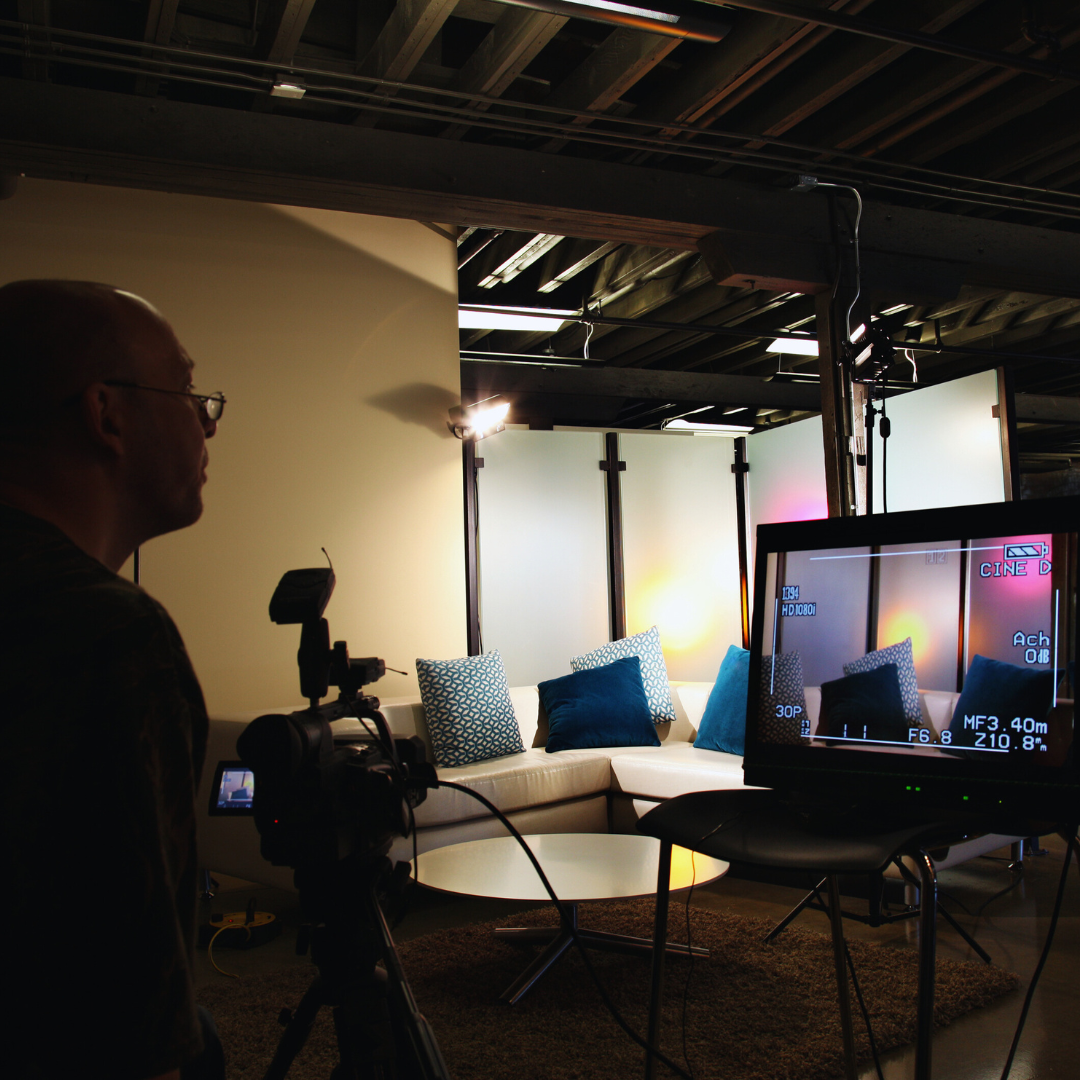
Advancements in technology are transforming film production in ways that were previously unimaginable. Innovative tools and methods have streamlined workflows, enhanced creativity, and lowered production costs, making filmmaking more accessible than ever. This evolution not only benefits professionals but also allows aspiring filmmakers to bring their ideas to life with fewer obstacles.
The integration of tools such as virtual reality, drone cinematography, and AI-driven editing software is reshaping traditional practices. These technologies are enabling filmmakers to experiment with new storytelling techniques and visual styles, pushing the boundaries of creativity. As technology continues to advance, the landscape of film production will undoubtedly keep evolving.
Understanding how these changes impact both the creative process and the business side of filmmaking is essential. From pre-production to post-production, tech innovations are enhancing collaboration, improving efficiency, and opening doors for diverse voices in the industry.
Emerging Technologies in Filmmaking
The film industry is experiencing a significant transformation due to emerging technologies. Innovations such as virtual and augmented reality, advancements in computer-generated imagery, and new tools for pre-production are reshaping how stories are told and produced.
The Impact of Virtual and Augmented Reality
Virtual reality (VR) and augmented reality (AR) are redefining immersive storytelling in filmmaking. By creating interactive environments, filmmakers can engage audiences on a deeper level. VR allows viewers to experience a narrative from multiple perspectives, actively participating in the storyline. AR enhances live-action footage by integrating digital elements into the physical world, enriching viewer experiences. These technologies not only expand creative possibilities, but they also enable filmmakers to pre-visualize scenes more effectively.
Advancements in CGI and Real-Time Rendering
Computer-generated imagery (CGI) has seen remarkable advancements, particularly with real-time rendering capabilities. This technology enables filmmakers to visualize CGI elements during filming, allowing for instant feedback and adjustments. It streamlines the production process, making it more efficient. The reduction in rendering times means that studios can produce higher quality visuals in less time. Innovations in software have also made it easier for smaller productions to access professional-grade CGI tools, democratizing the filmmaking landscape.
Innovations in Pre-Production and Storyboarding
Emerging tools are revolutionizing pre-production, particularly in storyboarding and planning. Automated platforms utilizing artificial intelligence aid in generating scene layouts and optimizing shooting schedules. These innovations help streamline communication among crew members, leading to better collaboration and efficiency. 3D printing is also making its mark, allowing filmmakers to create quick prototypes of sets and props. This rapid iteration process enables more informed creative decisions before filming begins, ultimately enhancing the final product.
Modern Film Production Processes
Technological advancements are reshaping film production processes. Enhanced workflows and innovative tools increase efficiency and collaboration among production teams.
Revolutionizing On-Set Production Workflows
Modern film production relies on integrated software systems that streamline on-set workflows. Tools like digital call sheets and real-time scheduling apps improve communication among cast and crew.
The use of mobile devices allows for quick access to scripts, schedules, and location details. This accessibility minimizes delays and facilitates faster decision-making during shoots.
Production teams now implement smart technologies that enhance coordination. These include wearable devices that monitor crew performance and environmental conditions. Automation reduces manual tasks, allowing filmmakers to focus on creative aspects.
Digital Cameras and Production Equipment
Digital cameras have transformed how films are shot. With high-resolution imaging, filmmakers can achieve cinematic quality without the need for film stock. Cameras like the ARRI Alexa and RED series capture outstanding visuals in various environments.
Lighter equipment enables more dynamic shooting methods, including aerial and handheld shots. Stabilization tools, such as gimbals and drones, enhance visual storytelling. This flexibility allows teams to execute complex scenes with precision.
Production tools have also expanded to include advanced lighting and sound technologies that are fully integrated with digital systems. The result is a cohesive production environment that fosters creativity and efficiency.
Cloud-Based Collaboration and Remote Work
Cloud-based platforms are crucial for modern film production. They enable seamless collaboration between teams located in different geographic areas. Tools like Frame.io and Wipster allow for real-time feedback on footage, ensuring everyone stays updated.
Remote work capabilities facilitate participation from specialists who may not be present on set. This expands the talent pool significantly, allowing filmmakers to access experts without geographical constraints.
Additionally, the Internet of Things (IoT) enhances connectivity on set. Smart devices track equipment status, monitor energy usage, and streamline logistics. This interconnectedness leads to optimized resource management, making production smoother and more efficient.
Post-Production Evolution
Technological advancements have significantly transformed post-production, particularly in editing and the use of visual effects. The integration of data analytics further enhances decision-making processes, ensuring that the final product aligns with audience preferences.
Editing Software and Visual Effects
The evolution of editing software has played a crucial role in post-production efficiency. Programs like Adobe Premiere Pro, Final Cut Pro, and Avid Media Composer offer powerful tools that streamline the editing process. These platforms support various file formats and provide features such as multi-camera editing and color correction.
Visual effects (VFX) have further revolutionized filmmaking. Software like Adobe After Effects and Nuke enables filmmakers to create realistic environments, enhance visuals, and correct imperfections. The ability to blend live-action with computer-generated imagery (CGI) has virtually limitless creative potential.
Data Analytics and Predictive Analytics
Data analytics has emerged as a valuable tool in post-production. Filmmakers can analyze audience data to understand preferences and trends. This information guides editing choices and the overall narrative, aligning the film with market demands.
Predictive analytics takes this a step further. By leveraging algorithms, studios can forecast how different elements might perform. This insight aids in making informed decisions about cuts, marketing strategies, and potential box office success. Such data-driven approaches optimize resources and improve storytelling.
Distribution and Consumption
The landscape of film distribution and consumption has significantly transformed due to technological advances. Audience engagement has evolved, reshaping how films are marketed and financed. Additionally, streaming platforms have become central to viewing habits, altering traditional distribution channels.
Changes in Audience Engagement
Audience engagement has shifted from passive viewing to interactive participation. Films now incorporate social media campaigns, allowing viewers to share opinions and create buzz before release. This direct interaction can significantly influence box office performance.
Interactive elements, such as behind-the-scenes content and live Q&A sessions, enhance viewer connection. Advanced analytics help filmmakers understand audience preferences. Insights drawn from social media data influence marketing strategies and content creation, resulting in more tailored films.
Streaming Platforms and On-Demand Viewing
Streaming services like Netflix and Amazon Prime have disrupted traditional film distribution. These platforms offer on-demand viewing, allowing audiences to watch films at their convenience. This flexibility caters to changing consumption patterns and increases accessibility.
The subscriber model incentivizes platforms to invest in quality content. As a result, original films have gained prominence, often bypassing traditional theatrical releases. Users’ viewing habits are shaped by recommendations and algorithms, enabling personalized film selections.
Marketing and Film Financing in the Digital Age
Digital marketing campaigns have become essential for promoting films. Social media advertising, targeted email campaigns, and influencer partnerships are widely used. These strategies allow filmmakers to reach specific demographics effectively, maximizing reach.
Film financing has also adapted to digital trends. Crowdfunding platforms enable independent filmmakers to secure funding directly from audiences. Additionally, blockchain technology is emerging as a means to manage rights and revenues transparently, streamlining the financing process for future projects.