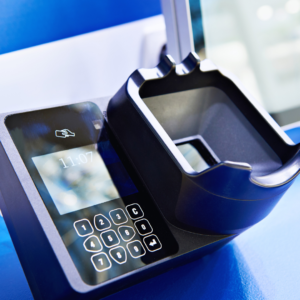
As digital payments continue to evolve, they are reshaping the landscape of financial services. The future of digital payments will be characterized by innovations that enhance convenience, security, and accessibility for consumers and businesses alike. E-commerce is driving this transformation, with mobile and digital wallets becoming essential tools for everyday transactions.
Emerging technologies such as blockchain and artificial intelligence are set to further revolutionize the way transactions are processed. These advancements will not only streamline payment systems but also reduce the risks associated with fraud and unauthorized transactions. The integration of sophisticated tools will play a crucial role in establishing trust between service providers and users.
As people increasingly adopt cashless solutions, the role of traditional payment methods may diminish. The shift towards a more digitized economy highlights the importance of adapting to new financial technologies. Staying informed about these trends will be vital for consumers and businesses aiming to thrive in this changing environment.
Evolution of Payment Systems
The evolution of payment systems has transformed significantly, shaped by technological advancements and changes in consumer preferences. Innovations such as cryptocurrencies and mobile payment solutions have redefined how transactions occur in a digital landscape.
From Barter to Digital: A Brief History
The journey of payment systems began with barter, where goods and services were exchanged directly. As societies developed, they introduced currency, which provided a standardized medium of exchange.
In the 20th century, electronic payments emerged, allowing for faster and more secure transactions. The introduction of credit and debit cards paved the way for cashless societies. With the rise of the internet in the late 20th century, online banking and e-commerce initiated a new era in payments, leading to the development of mobile payment solutions.
Current Trends in Payment Technologies
Today, payment methods are increasingly diverse and user-friendly. Key trends include the rise of contactless payments and mobile wallet applications, which offer convenience and security.
Consumers are drawn to the speed of transactions, leading to a preference for digital wallets like Apple Pay and Google Pay. Businesses are adopting these methods to streamline their checkout processes.
Additionally, integration with loyalty programs encourages consumer engagement, as users can earn rewards through their transactions.
Blockchain and Cryptocurrency Impact
Blockchain technology has revolutionized payment systems by providing decentralized and secure transaction methods. Cryptocurrencies like Bitcoin have emerged as alternatives to traditional currencies, allowing for peer-to-peer transactions without intermediaries.
The impact of blockchain extends beyond cryptocurrencies. It enhances transparency and reduces fraud in transactions. Companies are exploring blockchain for smart contracts and cross-border payments, reducing transaction costs and times significantly.
As more businesses embrace these innovations, the future of digital payments continues to shift towards greater efficiency and security.
Enhancing Security and Privacy
In the digital payment landscape, security and privacy are paramount. As threats evolve, innovative solutions and technologies are crucial for safeguarding transactions and maintaining consumer trust.
Threats and Solutions in Digital Payment Security
Digital payment systems face numerous threats, including data breaches, identity theft, and fraudulent transactions. Cybercriminals increasingly exploit vulnerabilities in payment platforms, necessitating robust security measures.
Solutions include advanced encryption techniques and multi-factor authentication (MFA) to enhance security. Companies must also implement artificial intelligence (AI) and machine learning for fraud detection and prevention. This technology can analyze transaction patterns in real time, flagging suspicious activity and reducing false positives.
A proactive approach to cybersecurity can mitigate risks and protect sensitive consumer information in the digital payment ecosystem.
Advances in Biometric Authentication
Biometric authentication has gained traction as a secure alternative to traditional password-based systems. Techniques such as fingerprint scanning, facial recognition, and voice recognition offer enhanced layers of security.
These methods verify a user’s identity based on unique physiological traits, making it difficult for unauthorized access. Many financial institutions and payment providers are integrating biometric technologies to streamline the checkout process while increasing security.
The convenience of biometric authentication fosters trust, allowing users to complete transactions with confidence.
Data Privacy and Consumer Trust
Data privacy is integral to consumer trust in digital payments. Companies must comply with regulations like GDPR and CCPA, ensuring user data is protected and used responsibly.
Transparency in data handling practices can reassure consumers about their information’s safety. Organizations that prioritize data privacy through secure storage and encryption can build trust, fostering long-term relationships.
Regular audits and assessments of cybersecurity measures also contribute to maintaining a secure environment for digital payments.
The Role of Regulation and Compliance
Regulation and compliance are vital in shaping the future of digital payments. They ensure security, promote financial inclusion, and facilitate smoother cross-border transactions. Key areas of focus include the regulatory framework, global standards, and emerging technologies like CBDCs.
Understanding the Regulatory Framework
The regulatory framework for digital payments consists of various laws and guidelines designed to ensure consumer protection, security, and transparency. Governments and financial authorities establish these regulations to prevent fraud and money laundering. Regulations like the Payment Services Directive (PSD2) in Europe promote open banking, allowing third-party providers to access financial data with consumer consent.
Financial institutions must comply with Anti-Money Laundering (AML) and Know Your Customer (KYC) requirements. Compliance with these regulations is essential for fostering consumer trust and encouraging greater financial inclusion, particularly in underbanked populations.
Impact of Global Standards like ISO 20022
ISO 20022 is an emerging international standard for electronic data interchange between financial institutions. It facilitates a more efficient exchange of information and enhances interoperability across payment systems. This standard supports various payment methods, including SEPA and UPI, and is crucial for cross-border transactions.
Adopting ISO 20022 can lead to improved transaction clarity, reduced errors, and enhanced regulatory reporting. Enhanced data richness helps regulators better understand transaction flows, which in turn aids in compliance monitoring. As more countries adopt this standard, global payment systems will become increasingly synchronized.
Central Bank Digital Currencies (CBDCs)
CBDCs represent a significant innovation in the landscape of digital payments. They are state-backed digital currencies that could provide secure, instant transactions while reducing reliance on commercial banks. CBDCs can enhance financial inclusion by providing unbanked populations access to digital financial services.
Additionally, CBDCs can streamline cross-border payments, reducing transaction costs and times. With regulatory oversight, they are designed to conform to existing financial regulations, ensuring that compliance remains a priority. As various countries explore and pilot CBDCs, their impact on the global financial ecosystem will continue to unfold.